
2026-01-07 How to Enjoy Japanese BBQ
Japanese Culture
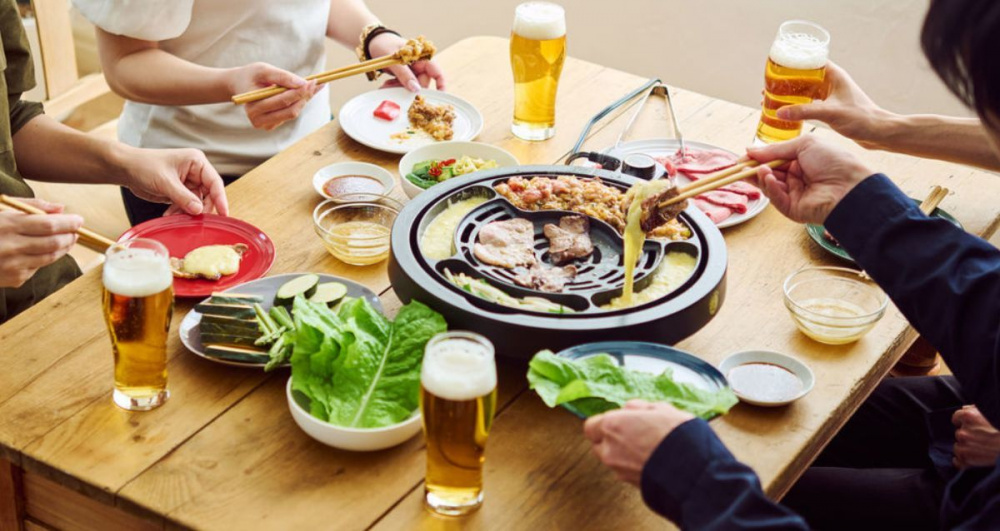
Yakiniku style BBQ was originally born in Korea and spread to Japan.
You can also do Yakiniku at home, but today we will introduce the culture of Yakiniku restaurants.
Yakiniku is vey popular among Japanese people, regardless of age or gender. Yakiniku restaurants and Sushi restaurants are the top choices when you eat out. The price varies by the order style. If there is all-you-can-eat course, price range will be from about 3,500 yen to 10,000 yen. This is very popular for young generation, who can and want to eat a lot.
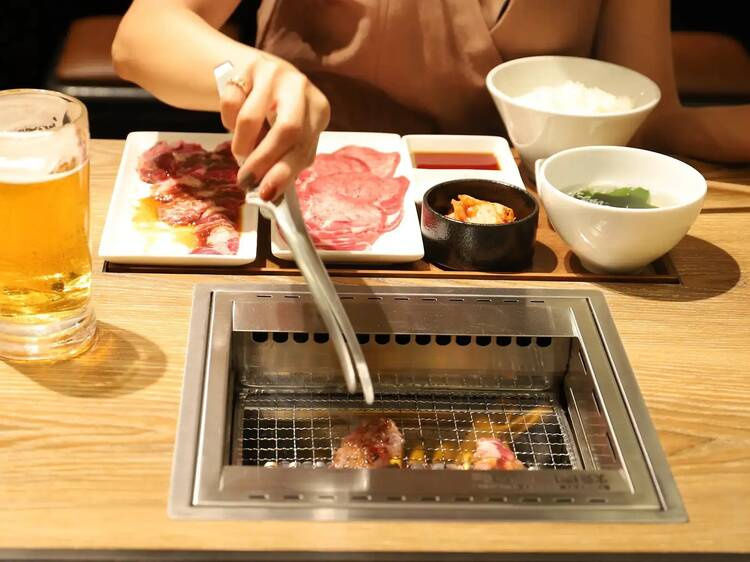
For a la carte style, each menu is served as portion of one person in one plate, which is about 4 or 5 slices of meat.
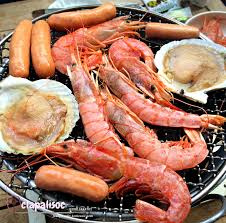
The authentic ingredients for Yakiniku might be beef, but many Yakiniku restaurants also have pork, chicken, seafood, and vegetables.
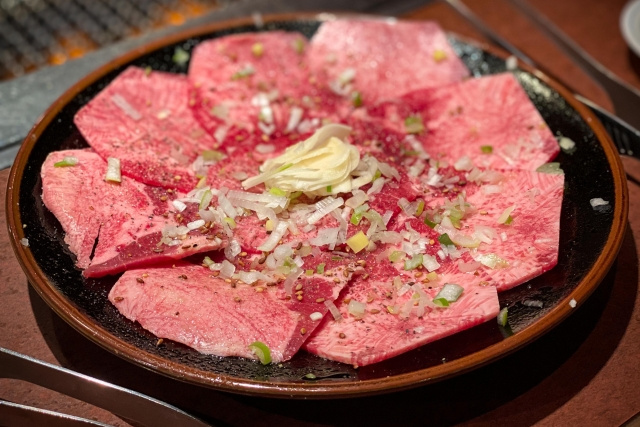
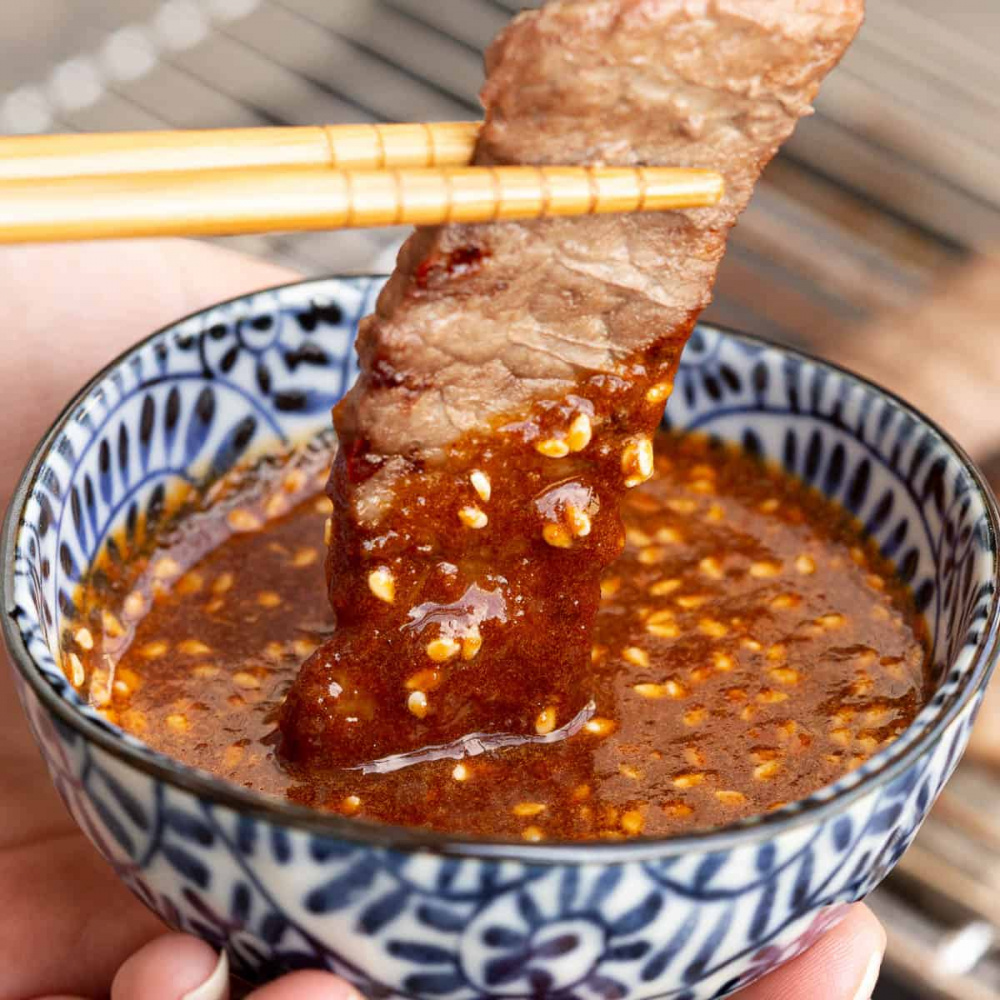
Meat often has two flavors, tare (sauce) and shio (salt). Tare refers to meat that is soaked to spicy and sweet sauce and paired well with fatty meat. Shio, on the other hand, matches with lean meat such as beef tongue (gyutan). After you grill the meat, you can also choose dipping sauce so you can chang the flavor after all.
Check Yakiniku restaurants in Yokosuka
Here we introduce popular menus;
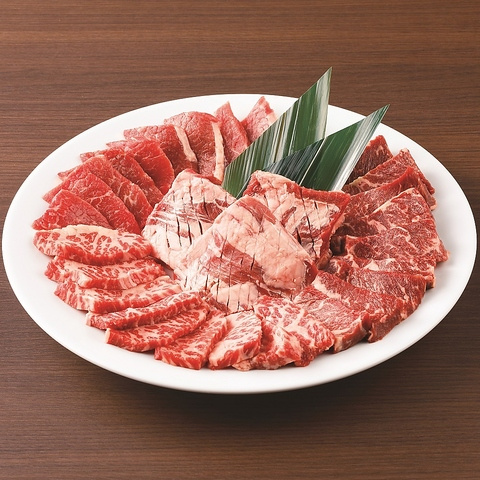
-Karubi Boneless beef short ribs. Known for its rich marbling and tenderness.
-Harami Cow's diaphragm. Good balance of lean meat and offal.
-Gyutan “Gyu” means beef, and “Tan” sound came from Tongue. Perfect fit with salt and lemon.
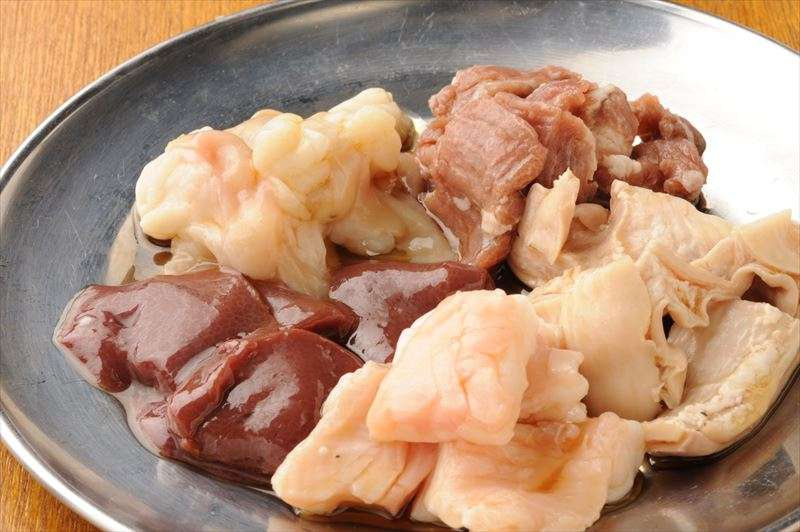
-Horumon Beef and pork offal. Known for its umami and rich texture.
One of the melancholies was that since you grill meat indoor, the smell clings to your clothes. Recently, because of the technology development, some restaurants introduce smokeless grill, or special exhaust vent that sucks smoke rapidly, so you can enjoy Yakiniku without worrying about the smell.
Another melancholy is that when you go to Yakiniku restaurant with more than 3 people, some must grill for others. In Japanese society, among work colleagues for example, the youngest often forced to grill for others and take care the pace. Therefor, the culture called “Hitori (alone) Yakiniku” was born, referring to people who go Yakiniku by themselves, enjoying their meat alone, without bothered by anyone.